

In Singapore’s fast-evolving business environment, supplier management has become a critical driver of operational efficiency, cost control, and strategic supplier partnerships. Yet, many finance and procurement teams still rely on manual invoice approvals, spreadsheet reconciliations, and fragmented communications—a reality that introduces errors, delays, and compliance risks, particularly in multi-currency and cross-border transactions across the APAC region.
Current Landscape of Supplier Management in Singapore
Singapore-based organizations, from multinational corporations to mid-sized enterprises, face several challenges in managing suppliers effectively:
- Manual Procurement Processes: Paper-based approvals, emails, and disconnected systems create inefficiencies and increase the risk of human error.
- Multi-Currency Complexity: Businesses dealing with APAC suppliers must handle payments in multiple currencies while monitoring exchange rate fluctuations.
- Regulatory Compliance: Adherence to GST regulations, MAS reporting requirements, and corporate governance standards adds complexity to supplier management.
- Limited Visibility: Finance teams often lack real-time insights into pending approvals, outstanding invoices, or supplier performance metrics.
- Inefficient Supplier Engagement: Delayed communication and slow payment cycles strain relationships with critical suppliers in Singapore and across APAC.
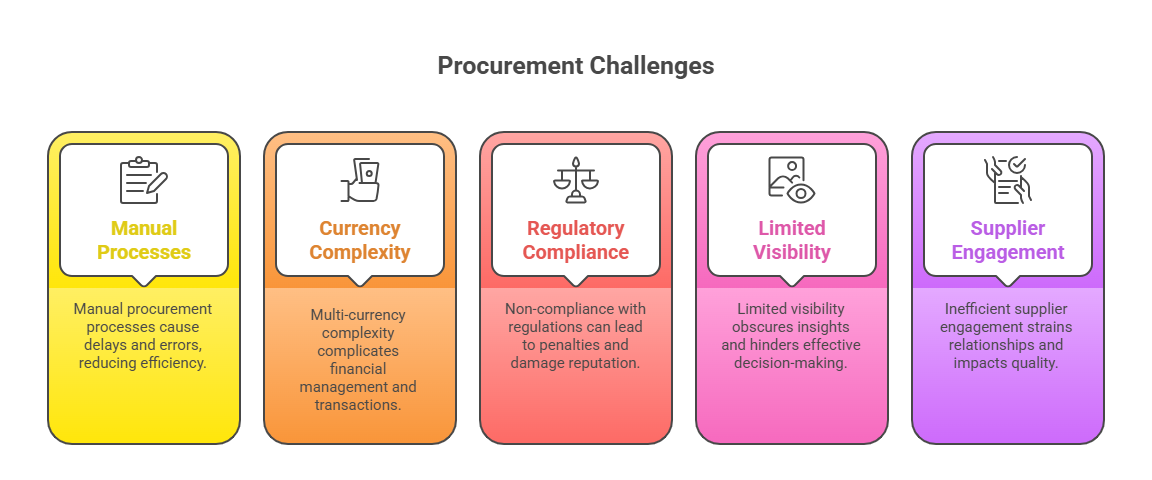
These challenges in supplier management can negatively affect operational efficiency, cash flow, and the organization’s ability to negotiate and collaborate strategically with suppliers.
Implications for Singapore Organizations
Inefficient supplier management has cascading effects. Late approvals or payments can disrupt supply chains and affect business continuity. Manual errors in invoice processing or GST compliance can trigger audits or regulatory penalties. Additionally, weak supplier engagement reduces trust and limits opportunities for collaboration, strategic sourcing, and negotiated savings.
P2P Automation: A Modern Solution
Supplier management solutions P2P are increasingly helping Singaporean finance teams overcome these challenges. By automating supplier relationships, digitizing invoice processing, and streamlining multi-currency payments, organizations can gain visibility, reduce errors, and improve compliance.
Key Procure-to-Pay Automation Benefits Include:
- Enhanced Compliance: Automation ensures adherence to GST and MAS regulations, reducing audit risks.
- Faster Invoice Processing: Automated workflows accelerate approvals, enabling timely payments to suppliers.
- Reduced Manual Errors: Data entry mistakes, duplicate payments, and reconciliation discrepancies are minimized.
- Improved Supplier Engagement: Real-time dashboards and notifications foster transparency and stronger supplier collaboration.
For example, a Singapore-based logistics firm implemented a P2P automation platform to manage invoices from regional suppliers. The result was a 40% reduction in processing time, faster multi-currency payments, and increased supplier satisfaction.
Future Trends and Innovative Strategies
The future of procurement technology in Singapore is shaped by AI, cloud platforms, and integrated analytics. P2P automation future trends include:
- AI-Driven Insights: Predictive analytics can forecast supplier risks, optimize spend, and enhance procurement decisions.
- Integrated Supply Chain Solutions: P2P automation for supply chain ensures seamless coordination between suppliers, finance teams, and ERP systems across Singapore and APAC.
- Digital Supplier Portals: Suppliers can submit invoices, track payment status, and communicate in real time, improving transparency and responsiveness.
- Innovative Supplier Management Strategies: Automated scorecards, dynamic discounting, and KPI tracking help finance teams enhance supplier performance and relationships.
Following p2p automation best practices, such as standardizing workflows, implementing supplier self-service portals, and continuously monitoring supplier KPIs, Singapore organizations can optimize efficiency, reduce risk, and maintain competitive advantage.
Practical Takeaways for Singapore CFOs and Finance Teams
- Evaluate Current Processes: Identify bottlenecks in invoice approvals, payments, and supplier communications.
- Implement Supplier Management Solutions P2P: Opt for platforms that integrate with ERP and accounting systems.
- Leverage Procure-to-Pay Automation Benefits: Focus on reducing errors, accelerating payments, and ensuring regulatory compliance.
- Monitor Supplier Performance: Utilize dashboards and analytics to continuously refine procurement strategies and supplier engagement.
By transforming procurement with automation, Singaporean finance teams can strengthen supplier relationships, enhance operational efficiency, and ensure compliance across multi-currency and regional operations.
Conclusion
For Singapore CFOs and finance leaders, P2P automation is no longer optional—it is a strategic necessity. By automating supplier relationships, streamlining multi-currency payments, and adopting innovative management strategies, organizations can improve efficiency, reduce risk, and foster stronger supplier partnerships.
Read our next blog – Click here