
The Strategic Imperative: Why Data Security Is Non-Negotiable in Healthcare Automation
Download this strategic brief to understand the security and trust framework required for secure digital transformation in healthcare.
Download Free Guide
U.S. Healthcare Operational Pain Points
Healthcare platforms are trapped between inefficiency and exposure.
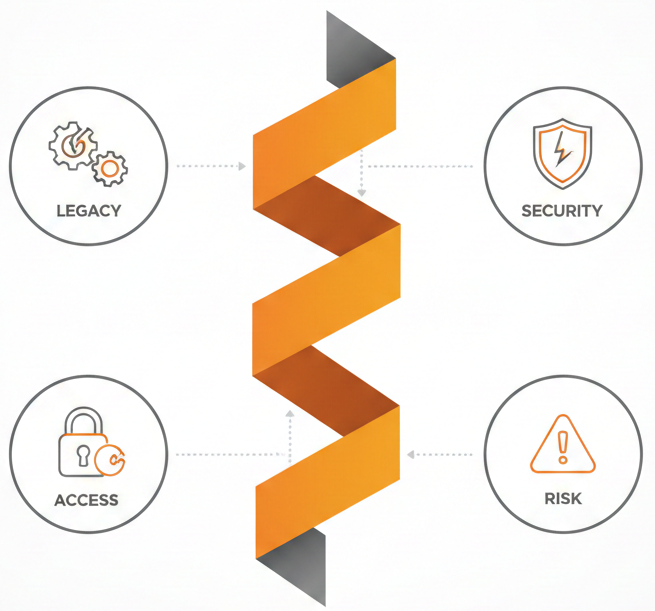
For many health systems, security failures have become one of the largest unplanned financial risks tied to digital transformation.
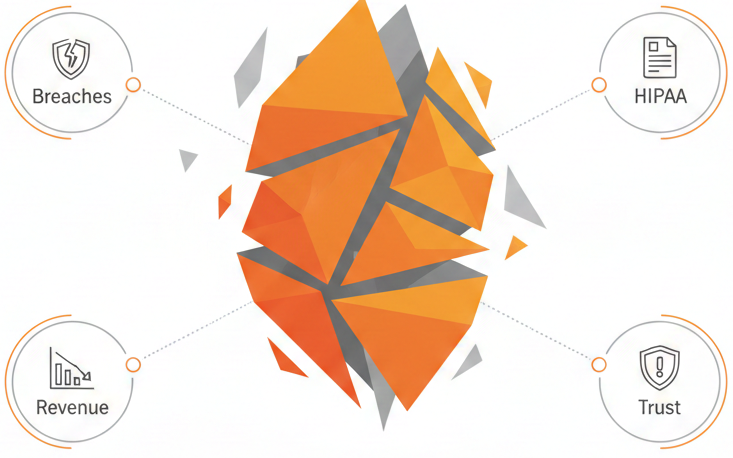
Why This Matters Now: Regulatory Pressure and Financial Risk
Healthcare leaders must now address the most common security risks in digital workflows or risk turning automation investments into long-term liabilities.
What You’ll Learn Inside the Strategic Brief
This executive brief delivers a practical, decision-ready view of security in healthcare automation, including:
Understanding the Risk Landscape
A C-suite overview of why healthcare remains a prime target for cyber threats and the true financial impact of healthcare data breaches.
The Zero-Trust RCM Model
How to design automation platforms using zero-trust principles to enforce continuous verification and ensure HIPAA-aligned RCM workflows.
Security by Architecture
A deep dive into applying the Principle of Least Privilege and data tokenization to minimize PHI exposure across automated processes.
Quantifying Security ROI
A framework to measure the financial value of security investment—reducing breach exposure, avoiding regulatory fines, and protecting operational continuity.
Mitigating Common Threats
Actionable strategies for preventing healthcare data breaches and addressing the most common cybersecurity risks within revenue cycle operations.
Who Should Read This
This strategic brief is designed for executive and operational leaders responsible for financial resilience, compliance, and enterprise risk, including
Before vs. After: Security and Operational Impact
See how secure automation transforms risk posture and operational confidence:
| Metric | Before: Manual / Insecure | After: ValueDX Secure Automation |
|---|---|---|
| Annual Breach Probability | 10%+ | <2% |
| Audit Preparation Time | WeeksReal-time to hours | Real-time to hours |
| PHI Access Incidents | High due to human erro | Near zero via least-privilege enforcement |
| Organizational Trust | Eroded | Strengthened patient and payer confidence |
Why ValueDX: Security Built In, Not Added On
ValueDX delivers RCM automation with security embedded at the architectural level—not layered on after deployment.