
When Workforce Gaps Become an Operational Risk

This executive brief explains why staffing shortages are accelerating automation adoption in healthcare and how platforms are responding to workforce constraints.

Download Free Guide


    The Reality of Healthcare Staffing Shortages

    Staffing gaps are impacting nearly every area of healthcare operations. Teams are stretched thin, backlogs are increasing, and reliance on overtime and temporary staff is growing.

    How Staffing Shortages Increase Operational Strain
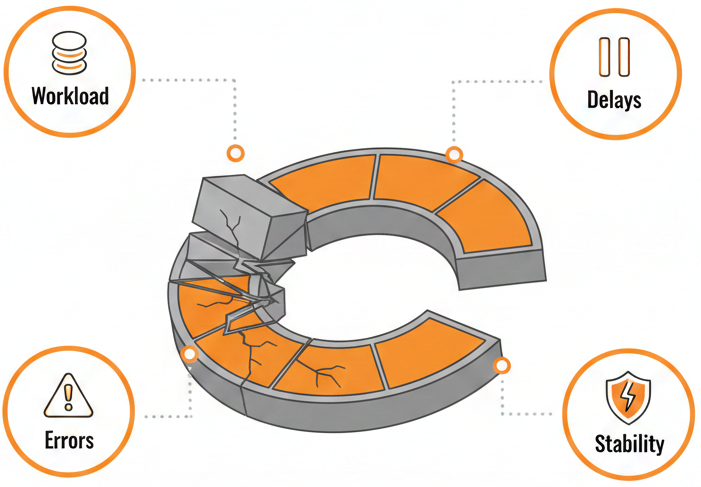
    staffing shortages in healthcare automation
    • When fewer staff are expected to handle growing workloads, operational efficiency declines.
    • Manual processes slow execution, increase errors, and create dependency on individual availability.
    • Over time, this strain affects service levels, compliance, and overall organizational stability.

    Why Automation Becomes the Natural Response
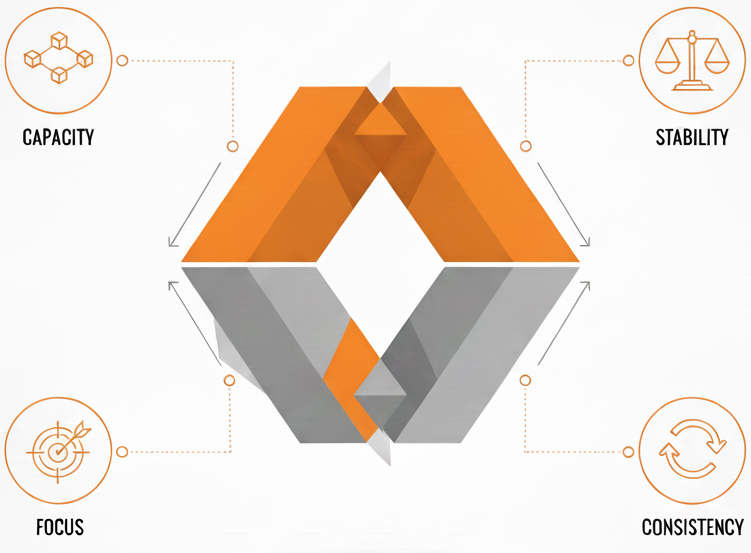
    • Automation adoption accelerates when organizations need to maintain performance with fewer people.
    • By reducing dependency on manual effort, automation helps stabilize workflows and absorb operational volume.
    • Rather than replacing staff, automation allows teams to focus on higher-value work while routine tasks are handled consistently.
    Why Automation Becomes the Natural Response

    What’s Inside the Gated Executive Brief

    This executive resource covers:

    Who Should Read This

    Designed for leaders responsible for financial performance:

    FAQs

    Because manual processes cannot scale when workforce availability is limited, creating operational risk.
    They lead to backlogs, delays, higher error rates, and increased reliance on overtime and temporary staff.
    No. Automation reduces manual workload and supports teams by handling repetitive tasks.
    Administrative, revenue cycle, compliance, and operational coordination workflows are most impacted.
    Yes. Automation absorbs routine work, allowing lean teams to maintain performance and consistency.

    Build Operational Stability Despite Workforce Constraints