
The Invisible Revenue Drain Inside Manual RCM Operations

Download this executive brief on The Hidden Cost of Manual Work in the U.S. Healthcare Revenue Cycle to understand where revenue leakage occurs—and why it often goes unnoticed.

Download Free Guide


    U.S. Healthcare Revenue Cycle Pain Points

    Many healthcare platforms still rely on manual, repetitive workflows to manage revenue cycle operations.

    This results in:
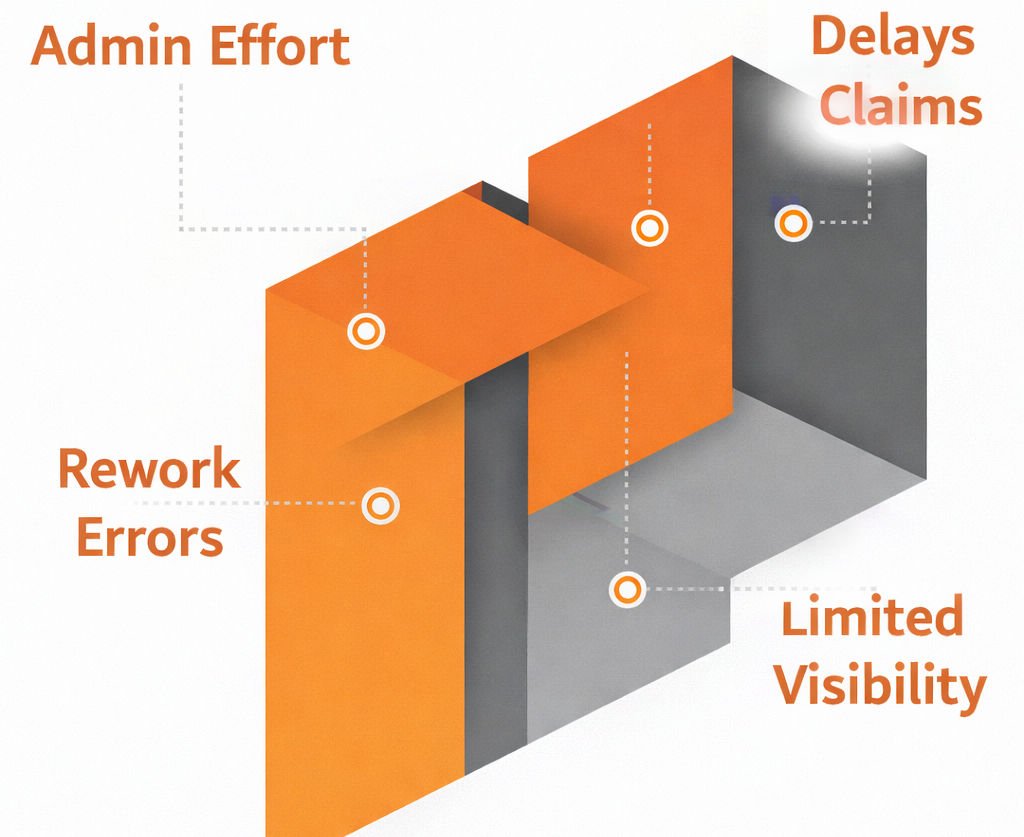
    • High administrative effort across RCM teams
    • Rework due to errors and missing information
    • Delays in claims submission and payment posting
    • Limited visibility into revenue bottlenecks
    Hidden Cost of Manual Work in Healthcare Revenue Cycle

    Why This Topic Matters Now (Cost, Margin & Cash-Flow Pressure)

    Manual revenue cycle processes struggle to keep pace with:

    What’s Inside the Gated Executive Brief

    This executive resource provides clarity on:

    Who Should Read This

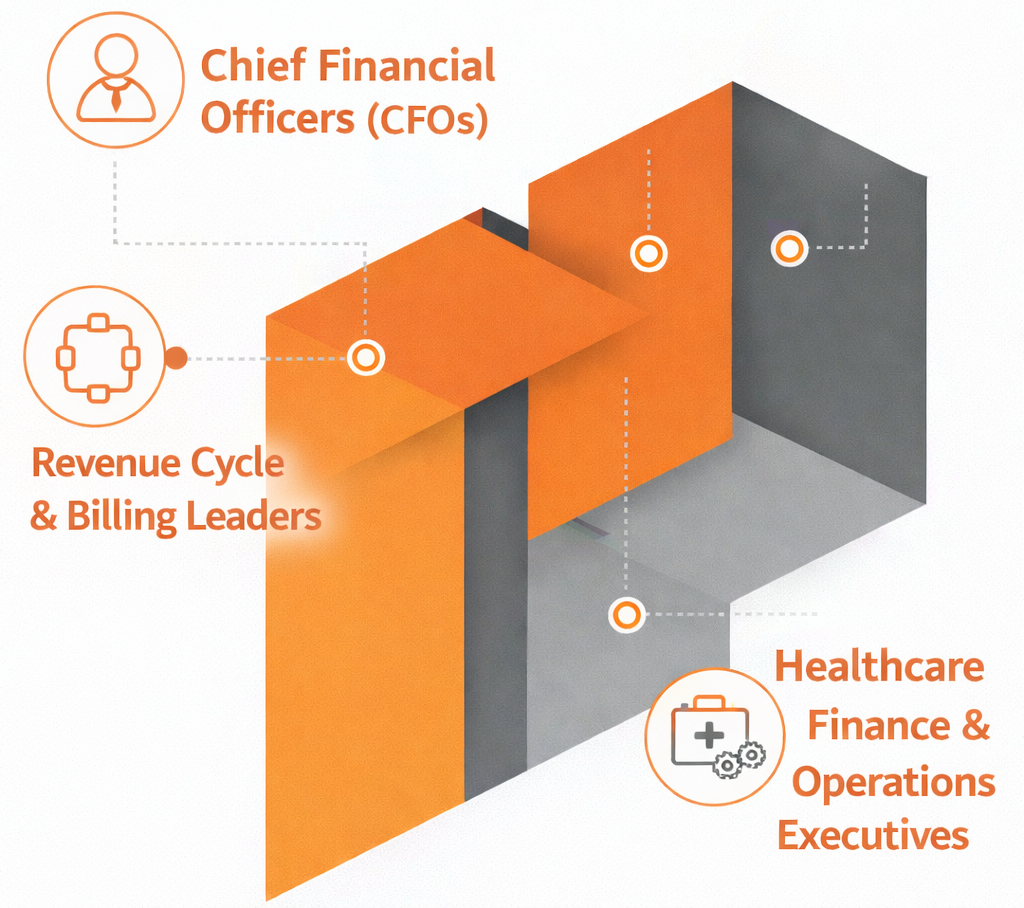
    This brief is designed for leaders responsible for revenue performance and financial stability:
    Hidden Cost of Manual Work in the U.S. Healthcare Revenue Cycle
    • Chief Financial Officers (CFOs)
    • Revenue Cycle & Billing Leaders
    • Healthcare Finance & Operations Executives

    Before vs. After Awareness (Manual RCM Reality)

    Before Recognizing Hidden Costs

    • Persistent A/R delays
    • High denial follow-ups
    • Heavy staff workload

    After Understanding the True Cost

    • Clear visibility into inefficiencies
    • Awareness of revenue leakage drivers
    • Strong foundation for operational improvement

    FAQs

    They include rework, delayed payments, higher denial rates, staff burnout, and revenue leakage that is difficult to track.
    Because they depend on human effort, introduce errors, slow processing, and require more staff as volume grows.
    Manual delays in eligibility, claims, and posting extend A/R days and reduce cash-flow predictability.
    For most healthcare organizations in 2025, manual RCM work is increasingly unsustainable due to cost and scale pressure.
    Manual workflows introduce delays, errors, and inconsistent follow-ups that compound over time. These inefficiencies reduce revenue predictability, increase operational costs, and quietly weaken financial stability.
    Revenue loss from manual work is spread across small delays, missed actions, and rework. Because these issues occur across multiple workflows, they are rarely captured as a single, visible metric.

    Protect Revenue by Understanding Where It’s Being Lost

    Manual work in the revenue cycle carries costs that compound over time.