
Prior Authorization Delays Are Slowing Patient Care and Costing Providers Millions
Prior Authorization (PA) is one of the most time-consuming and frustrating administrative processes in US healthcare. While designed to control costs and ensure medical necessity, manual prior authorization workflows often lead to treatment delays, denied claims, revenue leakage, and staff burnout.
Download Free Guide
What Is Prior Authorization in Healthcare?
Prior Authorization is a utilization management process where healthcare providers must obtain approval from insurance payers before delivering certain medical services, procedures, or medications.
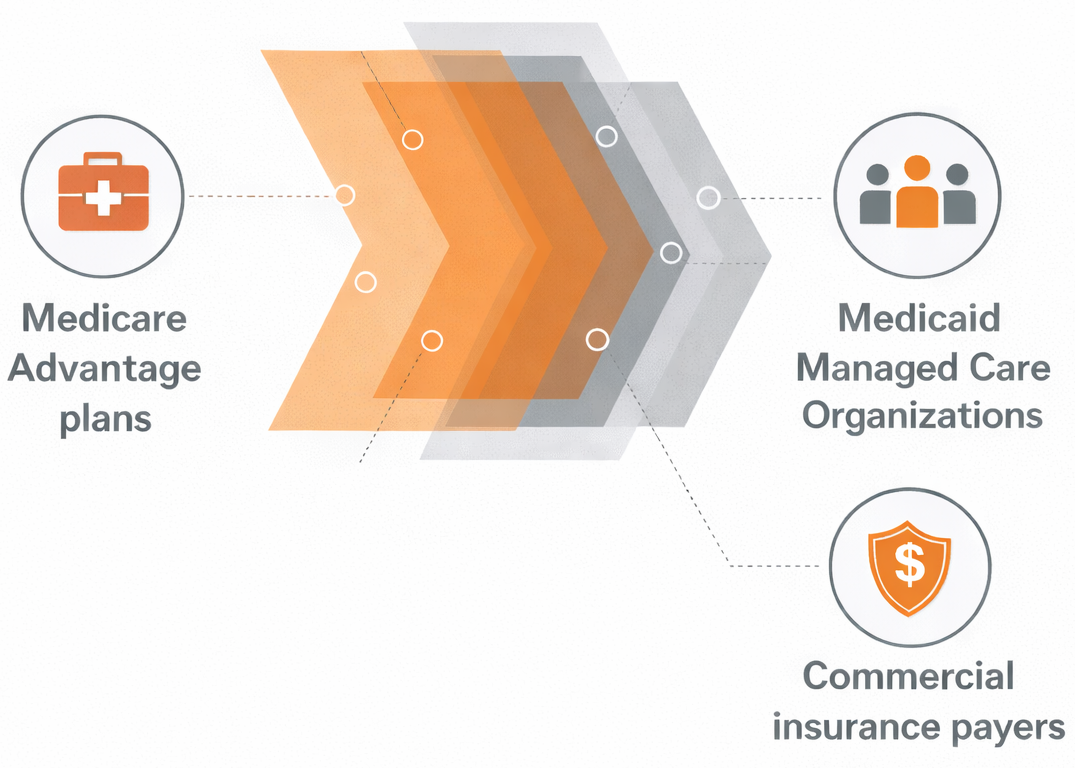
In the US healthcare system, prior authorization is commonly required by:
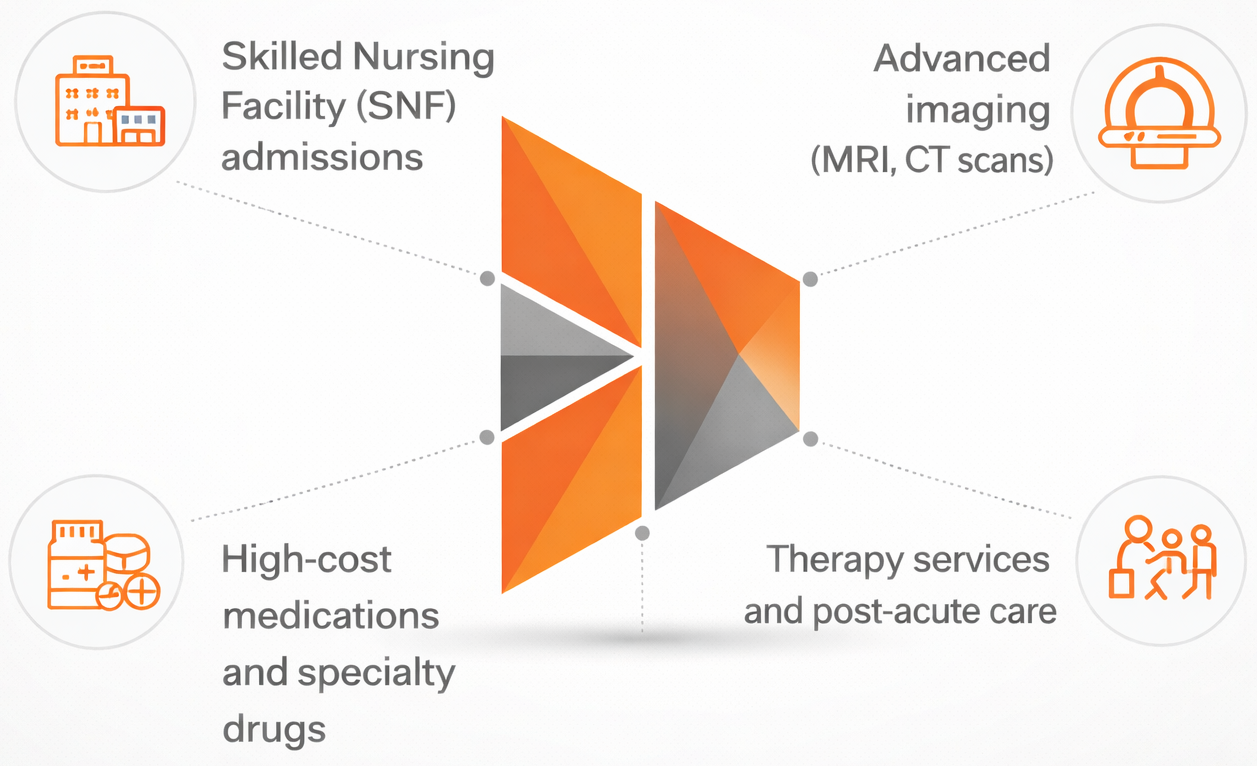
Services frequently subject to prior authorization include:
Why Prior Authorization Causes Delays in Patient Care
Despite its intent, prior authorization is one of the leading causes of care delays in US healthcare.
Key reasons include:
Manual, paperwork-heavy PA workflows
Multiple payer portals and inconsistent authorization rules
Missing or incomplete clinical documentation
Back-and-forth communication with payers
These inefficiencies slow down:
Hospital discharges
Post-acute care transitions
Impact of Prior Authorization Delays on Patients
When prior authorization is delayed, patients often experience:
How Prior Authorization Affects Providers and SNFs
For healthcare platforms, especially Skilled Nursing Facilities, prior authorization delays create significant operational challenges:
The Growing Need for AI in Prior Authorization Management
To address these challenges, healthcare platforms are turning to AI-powered prior authorization automation.
Modern AI-driven PA solutions enable:
What You’ll Learn in This Gated Guide
By downloading this resource, you’ll gain insights into: