Why Traditional Automation No Longer Fits Modern Healthcare Operations

Healthcare platforms are under pressure to reduce manual work, control costs, and manage growing operational complexity. Many teams adopt automation but struggle to understand the real difference between RPA and AI-driven intelligent automation. This gated executive brief explains what Intelligent Automation means in U.S. healthcare, how it differs from traditional RPA, and why the distinction matters for scalable, compliant operations.

Download Free Guide


    Healthcare Automation Confusion Today

    Many healthcare platforms still rely on rule-based automation that works only in stable, predictable environments.

    This is where confusion between RPA and Intelligent Automation creates long-term inefficiency.
    intelligent automation in healthcare

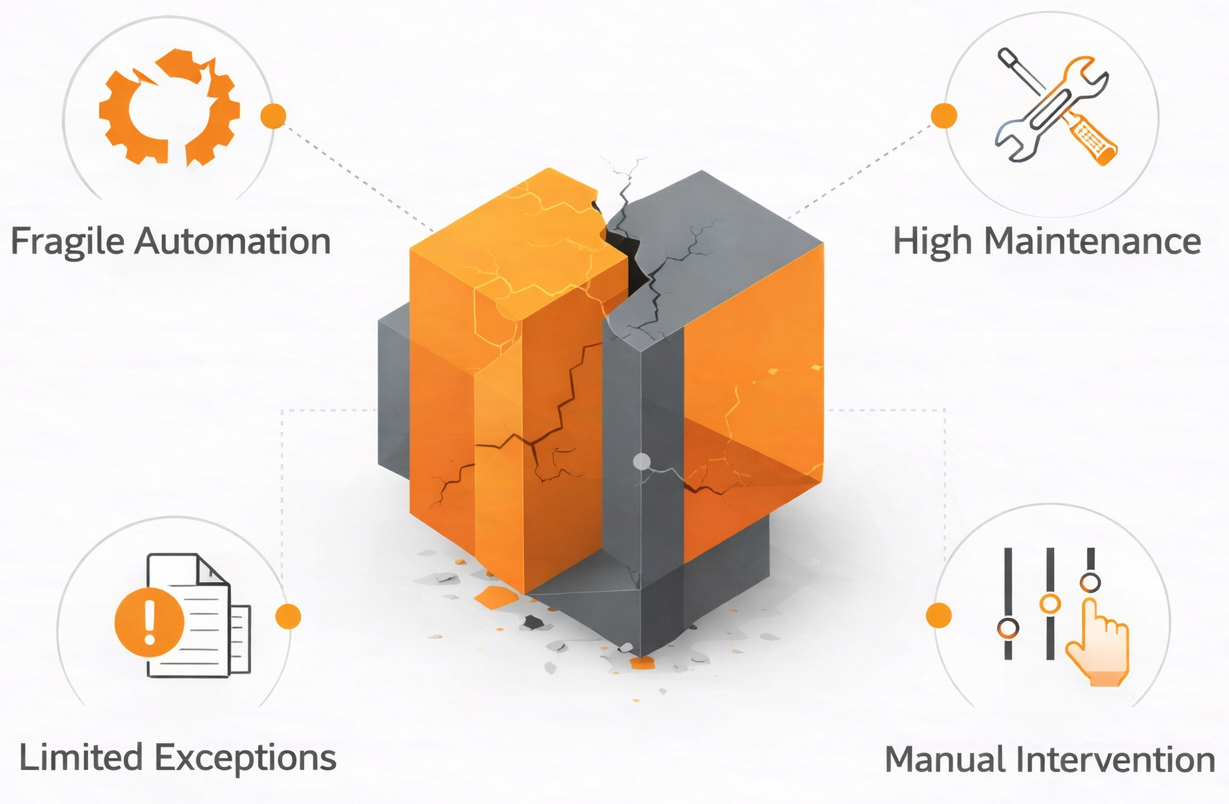
    As workflows become more complex, teams face:

    • Fragile automation that breaks with change
    • High maintenance effort
    • Limited ability to handle exceptions
    • Ongoing manual intervention

    Why This Topic Matters Now

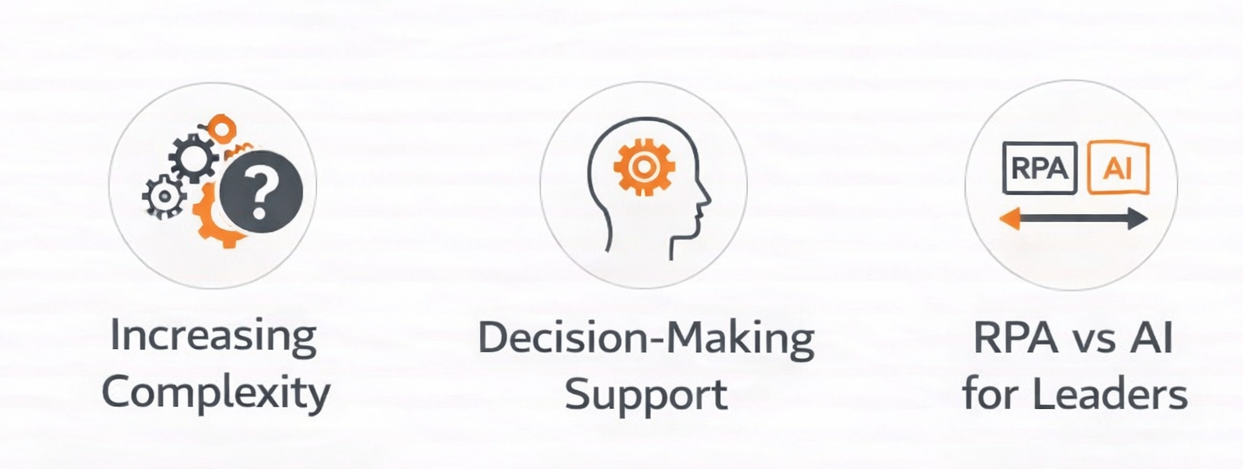
    • In 2025, healthcare operations face increasing variability across payers, policies, and data sources.
    • Automation must now support decision-making, not just task execution.
    • Understanding RPA vs AI is critical for leaders planning sustainable healthcare automation strategies.
    Why This Topic Matters Now

    What’s Inside the Gated Executive Brief

    This executive resource explains:

    What RPA is designed to automate—and its limits
    Why healthcare workflows require adaptive automation
    How Intelligent Automation uses AI to handle complexity
    Key considerations for automation decisions in healthcare

    Who Should Read This

    Designed for leaders responsible for operational efficiency and governance:

    • CFOs and Finance Leaders

    • Healthcare IT and Compliance Executives

    • Operations and Revenue Cycle Leaders

    RPA vs Intelligent Automation – Practical View

    RPA

    • Task-based, rule-driven
    • Breaks when workflows change
    • Requires frequent maintenance

    Intelligent Automation

    • Workflow-level orchestration

    • Handles variability and exceptions

    • Better suited for complex healthcare environments

    FAQs

    It combines automation with AI to manage complex workflows, not just repetitive tasks.

    RPA follows fixed rules, while Intelligent Automation adapts to variability and supports decision-making.

    Yes, for stable tasks—but it struggles with complex, changing workflows.

    Because healthcare operations require scalable, adaptive automation.

    No. It reduces manual burden and supports teams in higher-value work.

    Make Informed Automation Decisions in Healthcare

    Automation choices made today define operational flexibility tomorrow.