The Prior Authorization Paradox Fix EHR Gaps Stop Downstream Denials.

Prior authorization failures don’t start with payers they start between your systems.

Download Free Guide


    Why This Matters Now

    Prior authorization costs are rising while regulatory pressure demands faster, more transparent workflows. Organizations that fail to modernize PA processes face higher denial rates, compliance risk, and unstable cash flow.

    What You’ll Learn
    prior authorization breakdowns between EHRs clearinghouses and payers workflow
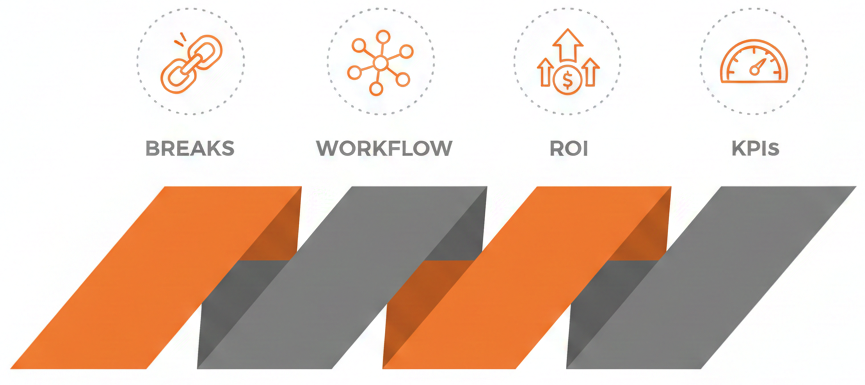
    • Why prior authorization breaks down across systems
    • How to design a connected, end-to-end PA workflow
    • Where automation delivers the fastest ROI
    • KPIs that reduce denials and administrative cost

    Who Should Read This

    FAQs

    Breakdowns occur when data and status updates fail to move seamlessly between EHRs, clearinghouses, and payers—resulting in delays, incomplete authorizations, and claim denials.
    Organizations reduce denials by validating requirements upfront, aligning rules with payer policies, and automating submission and tracking.
    Manual workarounds, fragmented systems, and lack of real-time payer visibility significantly slow the process.
    Automation, standardized data, continuous monitoring, and policy-driven workflows are key to streamlining PA operations
    Yes. Automation and AI significantly reduce repetitive tasks, minimize errors, and accelerate approval timelines—allowing staff to focus on exceptions, not rework.

    Download the Strategic Brief

    Secure approvals upstream. Protect revenue downstream.Download the guide to modernize prior authorization and eliminate preventable denials.