
The Next Generation of Efficiency: Moving Beyond RPA to Autonomous AI Agents in Healthcare Operations

The administrative burden on U.S. health systems is no longer sustainable. Discover What Are AI Agents in Healthcare Operations? and how autonomous intelligence is accelerating revenue cycle performance for healthcare leaders nationwide. Download the strategic executive brief.

Download Free Guide


    U.S. Healthcare Operational Pain Points

    RCM Automation helps healthcare platforms:
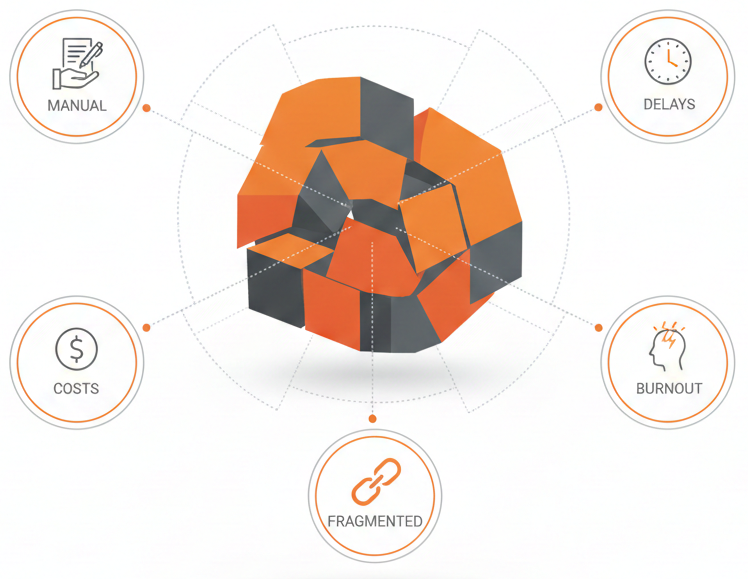
    • Healthcare operations teams remain trapped in manual, high-volume administrative work.
    • Traditional workflows drive escalating healthcare administrative costs, delayed claims processing, and persistent staff burnout and turnover.
    • Disconnected systems and fragmented data flows create revenue bottlenecks, restrict cash flow, and prevent organizations from achieving true healthcare operations efficiency.
    AI agents in healthcare operations workflow

    Why This Topic Matters Now (Regulatory + Cost Pressure)
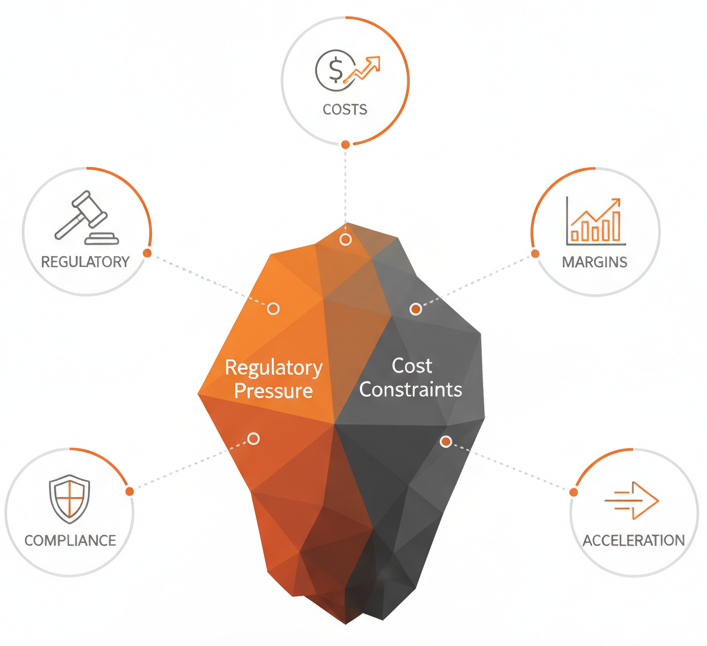
    Why This Topic Matters Now (Regulatory + Cost Pressure)

    RCM Automation helps healthcare platforms:

    • The adoption of AI Agents / Automation Agents is no longer optional—it is a financial and operational imperative.
    • As payer rules grow more complex and cost pressures intensify, the margin for inefficiency is rapidly shrinking.
    • Healthcare leaders must reduce reliance on human-centric workflows to ensure compliance, protect margins, and unlock healthcare revenue acceleration.
    • This is the future of healthcare management.

    What’s Inside the Gated Asset

    This executive-level strategic brief delivers a clear, practical understanding of autonomous AI in healthcare operations:

    This in-depth RCM automation guide covers:

    Who Should Read This

    This strategic guide is designed for healthcare leaders responsible for financial performance and operational resilience:

    • Chief Financial Officers (CFOs)

    • Chief Operating Officers (COOs)
    • Vice Presidents of Revenue Cycle Management
    • Directors of Health System Operations
    • Executives leading digital transformation in healthcare finance

    Before vs. After Impact

    Metric Before AI Agents   After Autonomous AI
    A/R Days 55+ days Target: 35–40 days
    Claim Denial Rate 10%+ Target: <5% (fewer preventable denials)
    Payment Posting Time 3–5 days Target: Near real-time (less than 1 day)
    Operational Costs High FTE dependency Significant reduction in manual effort and costs

    Why ValueDX (Outcomes, Not Features)

    ValueDX delivers consulting-led, outcome-driven automation—not just software.

    We specialize in deploying autonomous AI automation for hospitals and large healthcare enterprises, with a focused mission:
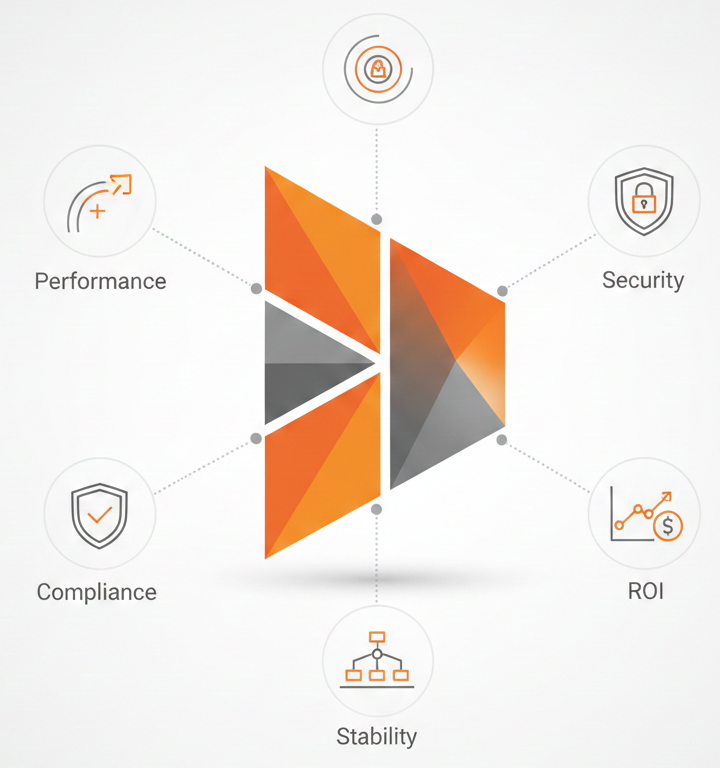

    • improving revenue cycle performance while maintaining security and compliance.
    • Our purpose-built platform enables hospital leaders to achieve smarter hospital management, faster ROI, and long-term operational stability.
    Why ValueDX (Outcomes, Not Features)

    FAQs

    AI Agents are autonomous systems that use cognitive AI technologies—such as machine learning and natural language processing—to manage complex, multi-step healthcare administrative tasks with minimal human intervention.
    Unlike rule-based RPA, AI Agents make contextual decisions, process unstructured data, and adapt to change—making them more scalable and resilient.
    Key benefits include lower administrative costs, faster claims processing, reduced denial rates, improved compliance, and better cash flow.
    Successful adoption requires strong data governance and a phased AI Agent implementation roadmap, starting with high-volume, repetitive workflows.
    Yes. Leading AI Agent solutions for healthcare operations are designed with embedded security controls and compliance frameworks to safeguard protected health information (PHI).

    Secure Your Financial Future

    Download the strategic executive brief: What Are AI Agents in Healthcare Operations?