
Why “Connected” EHR Payer Systems Still Create Claim Denials

Healthcare systems are digitally connected, yet claim denials, rework, and delayed payments persist. The problem isn’t missing technology it’s hidden failure points across the claims lifecycle that integration alone doesn’t fix. This executive brief exposes where claims break, why revenue leaks, and how to prevent denials before they occur.

Download Free Guide


    Why This Matters Now

    Payer scrutiny is rising, regulations are tightening, and margins are shrinking. Health systems must move beyond basic connectivity to true operational and semantic interoperability to protect cash flow and financial performance.

    What You’ll Learn
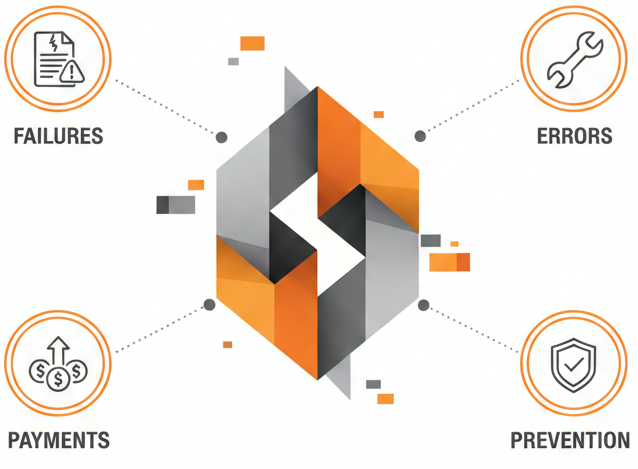
    Integration Paradox in Healthcare Automation Diagram
    • The most common claim failure points across the lifecycle
    • How to eliminate root causes of billing errors
    • How to shift from denial management to denial prevention
    • Practical ways to accelerate medical payments

    Who Should Read This

    FAQs

    Because connected systems often lack aligned workflows and consistent data logic.
    By fixing upstream claim errors instead of managing denials after submission.
    It directly ties operational breakdowns to revenue loss and cash-flow delays.
    By correcting integration gaps, workflow issues, and data inconsistencies.
    Preventing avoidable denials and reducing claim rework time.

    Download the Executive Brief

    Why “Connected” EHR–Payer Integrations Still Produce Denials
    A practical failure-point analysis for leaders who want lower denials and stronger cash flow.