
Are Manual SNF Claims Processes Driving Denials, Delays, and Revenue Uncertainty?

SNF claims automation helps skilled nursing facilities streamline claims processing, reduce denials, and improve revenue cycle performance without increasing administrative workload.

Download Free Guide


    Why Claims Automation Has Become Critical for Skilled Nursing Facilities

    Claims inefficiencies affect more than billing—they impact cash flow, compliance, and operational stability.
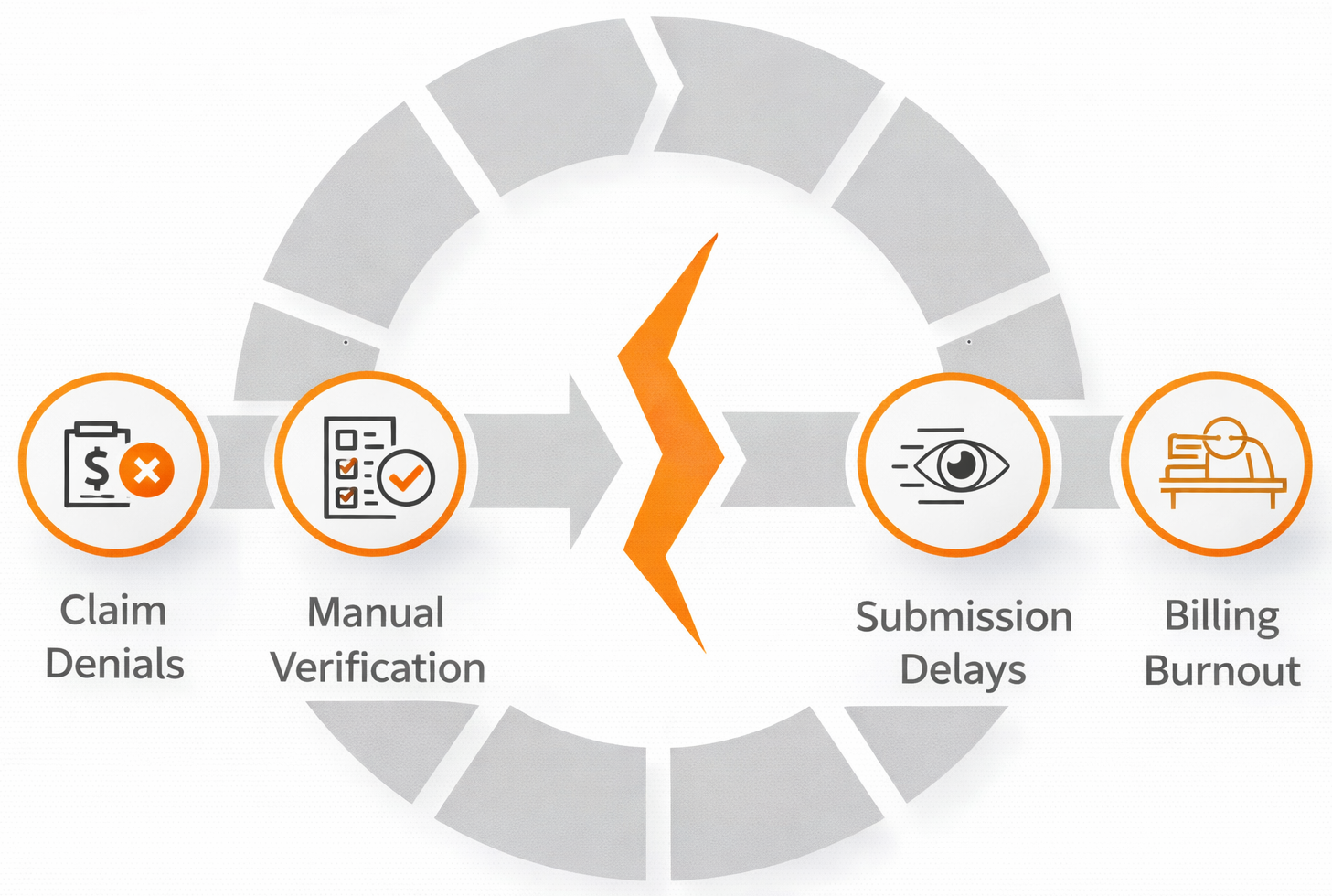
    • High claim denial and resubmission rates
    • Manual eligibility and documentation checks
    • Delayed claims submission
    • Limited visibility into claim status
    • Staff burnout from repetitive billing rework
    Streamlining SNF Claims Workflows to Strengthen Revenue Performance

    What Is SNF Claims Automation?

    SNF claims automation uses technology to manage how claims are prepared, validated, submitted, and tracked across the revenue cycle.

    Where Claims Automation Delivers the Greatest Impact

    • Claim creation and submission
    • Documentation and eligibility validation
    • Denial prevention and rework reduction
    • Claim status tracking and follow-ups

    How Claims Automation Improves Cash Flow and Billing Efficiency

    Manual claims processes often allow small errors to turn into costly denials. With integrated claims processing for SNF facilities, organizations can:

    What to Look for in SNF Claims Automation Solutions

    When evaluating best SNF claims management solutions, facilities should focus on:

    Alignment with real SNF billing workflows
    Integration with existing RCM and billing systems
    Built-in denial prevention logic
    Clear visibility into the claims lifecycle
    Scalability as claim volume grows

    FAQs

    By validating data and documentation before submission, automation reduces common errors that cause denials.
    Lower denial rates, faster reimbursements, improved billing efficiency, and reduced administrative burden.
    It standardizes claims handling, reduces manual touchpoints, and improves visibility across the claims lifecycle.
    Pre-submission validation, denial prevention, workflow tracking, reporting, and system integration.
    ROI typically comes from reduced denials, faster cash flow, and improved staff productivity.

    Improving claims performance is not about working harder it’s about removing friction from the billing workflow.