
Separate Clinical Excellence from Revenue Complexity
Physician leaders are increasingly pulled away from patient care by the growing complexity of revenue cycle management. Billing inefficiencies, compliance demands, and administrative overload are creating financial instability and limiting practice growth. Download the guide to see how leading practices are transforming revenue cycle performance without sacrificing clinical autonomy.
Download Free Guide
The Operational Reality: Where Revenue Cycles Break Down
Independent and multispecialty medical groups are navigating a challenging operational environment.
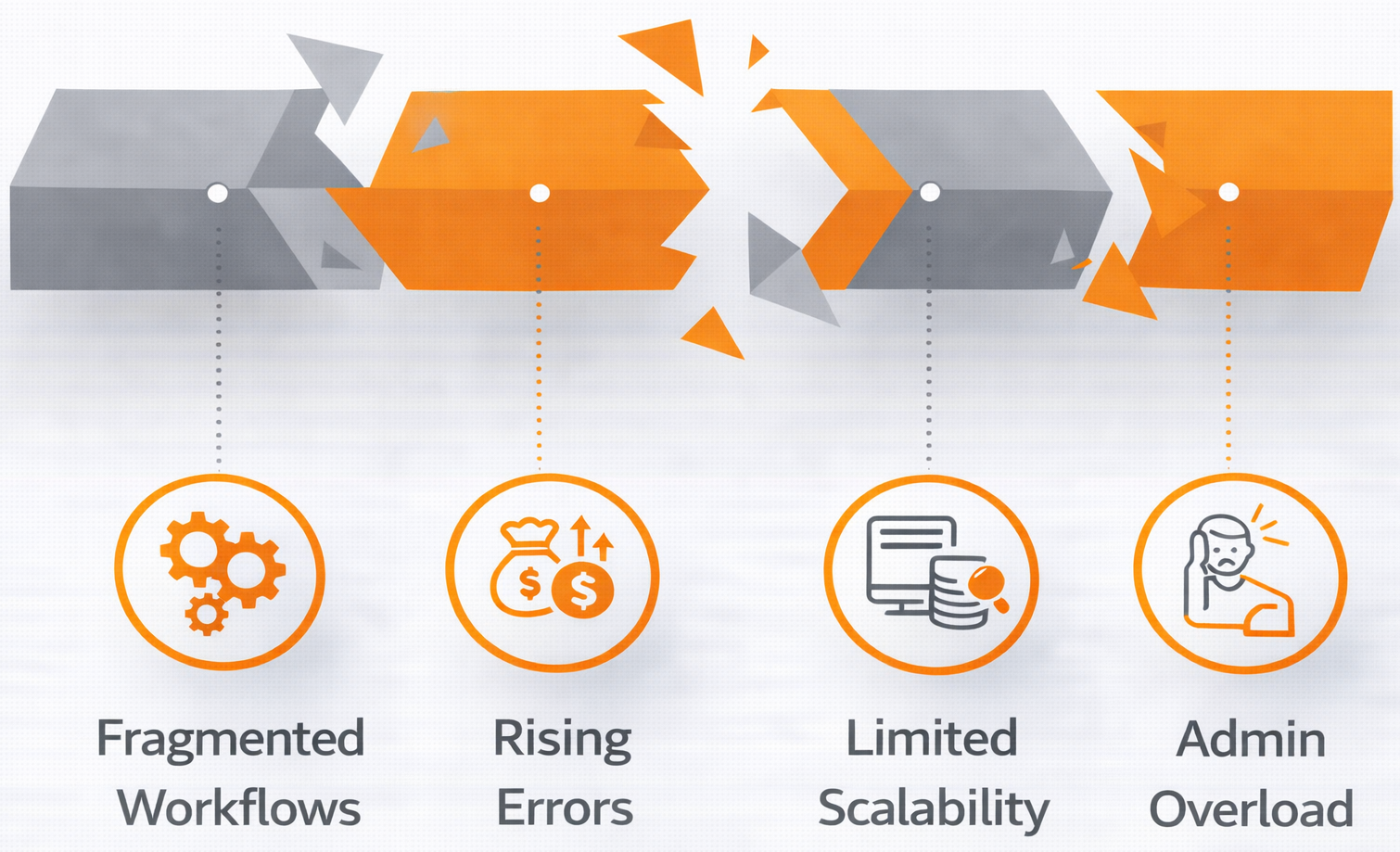
Why This Matters Now
Healthcare economics are tightening, and operational inefficiencies are no longer sustainable.
What’s Inside the Executive Brief
This strategic guide outlines how MSOs transform revenue cycle management into a scalable, high-performance function:
A clear overview of the MSO model and its structural advantages
End-to-end revenue cycle framework—from credentialing to final payment
Strategies to centralize non-clinical operations across physician groups
Automation approaches to reduce billing errors and improve efficiency
Best practices to enhance financial performance while preserving clinical independence
Who Should Read This
This guide is built for financial and operational leaders responsible for enterprise resilience:
Why ValueDX
From Fragmented Operations to Strategic Control
ValueDX delivers more than outsourced services—we provide a CFO Command Center for revenue cycle management.