
End the Administrative Tax: A Real-World Case Study on Reducing Manual RCM Work with AI Agents

Autonomous AI is reshaping hospital revenue operations—accelerating cash flow and dramatically improving clean claim performance. Download this executive case study to see how a leading health system achieved measurable operational efficiency by eliminating manual work across the revenue cycle.

Download Free Guide


    U.S. Healthcare Operational Pain Points

    The hidden cost of manual revenue cycle management is no longer sustainable.
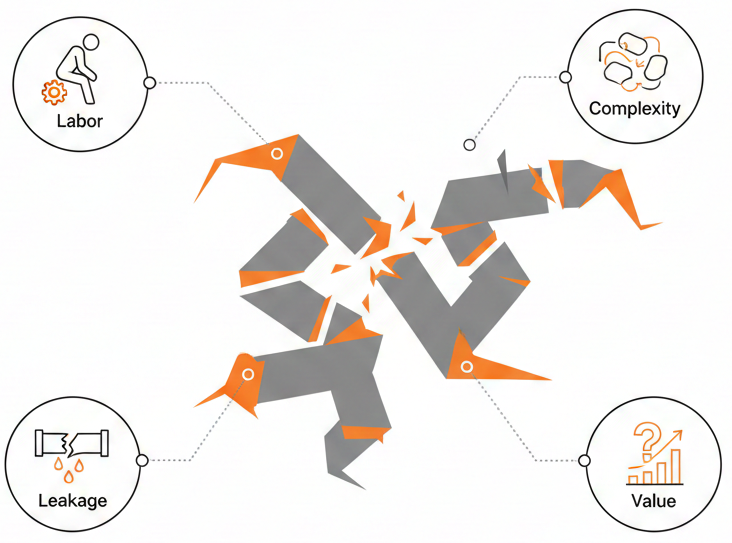
    reducing manual work using AI agents

    Hospitals are facing escalating staff burnout, rigid processes, and operational fragility caused by excessive reliance on human effort for repetitive tasks.

    • Hospitals are facing escalating staff burnout, rigid processes, and operational fragility caused by excessive reliance on human effort for repetitive tasks.
    • In many organizations, RCM teams spend up to 60% of their time on low-value activities such as data entry, payer portal navigation, and status checks.
    • This administrative drag limits scalability, increases error rates, and prevents healthcare platforms from achieving high-efficiency revenue operations.

    Why This Matters Now: Regulatory and Cost Pressures

    The urgency to reduce hospital administrative costs has reached a tipping point.
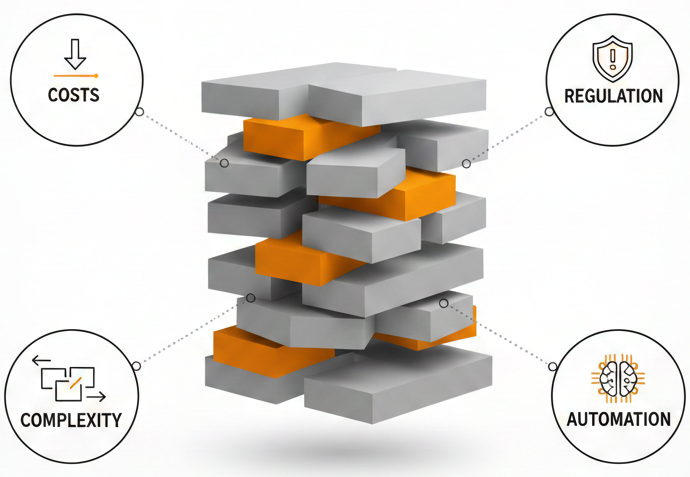
    • Growing patient financial responsibility, payer complexity, and frequent regulatory changes mean administrative inefficiency now directly drives revenue leakage.
    • Next-generation RCM platforms powered by autonomous AI agents are no longer optional. They are a strategic requirement for financial resilience.
    • This case study demonstrates why AI technology is the most effective path to automating the revenue cycle end-to-end and permanently resolving the administrative burden facing hospital finance teams.
    Why This Matters Now Regulatory and Cost Pressures

    What’s Inside the Gated Case Study

    In this executive case study, Reducing Manual Work Using AI Agents, you’ll discover:

    Who Should Read This

    This bottom-of-funnel case study is essential for US healthcare leaders responsible for financial performance and operational scale, including:

    • Chief Financial Officers (CFOs focused on reducing hospital admin costs)
    • Chief Operating Officers (COOs driving operational speed and consistency)
    • VPs and Directors of Revenue Cycle Management
    • Managed Service Organization (MSO) leaders seeking scalable, repeatable delivery models

    Before vs. After: Measurable Operational Impact

    The results from this real-world deployment show a clear transformation in RCM efficiency:


    Metric Before AI Agents   After AI Agents
    Claims Status Check Time 4 days (manual batching) 2 hours (AI-driven)
    Payment Posting Touch Time 15 minutes per transaction < 1 minute (automated)
    Staff Time Spent on Portals ~60% of FTE capacity < 5% (exception-only)

    Why ValueDX: Outcomes, Not Tools

    ValueDX delivers proven results in healthcare finance through fully autonomous AI agents designed to eliminate manual work from medical billing and revenue cycle operations.
    Unlike brittle RPA solutions, our adaptive AI platform is built for scalability, resilience, and HIPAA-compliant execution.
    The result is not just automation—but accelerated performance, improved patient financial outcomes, and sustained financial resilience for healthcare organizations.

    FAQs

    The primary benefit is a dramatic reduction in manual work, which directly lowers administrative costs, improves clean claim rates, and accelerates cash flow—outcomes clearly demonstrated in this case study.
    Traditional RPA relies on fragile scripts that break when systems change. Autonomous AI agents apply cognitive decision-making, adapt to variability, and maintain performance across complex RCM environments.
    Yes. By eliminating repetitive, low-value tasks, AI agents enable RCM teams to focus on exceptions, analytics, and strategic work—significantly reducing workload stress and burnout.
    The case study shows measurable improvements in clean claim submission rates by ensuring upfront data accuracy and consistent validation across workflows
    Absolutely. The platform operates with enterprise-grade security, full auditability, and HIPAA-compliant data handling across all revenue cycle processes.

    Download the Case Study: Reducing Manual Work Using AI Agents