RCM Automation Explained for Modern Healthcare Revenue Teams
Struggling with claim denials, delayed reimbursements, and rising operational costs?RCM Automation is transforming how healthcare providers manage revenue—using cloud-based platforms, AI-powered workflows, and intelligent automation to improve cash flow, accuracy, and compliance.
Download Free Guide
Why RCM Automation Matters in 2025
Healthcare revenue cycle management is becoming more complex due to payer policy changes, staffing shortages, and increasing compliance requirements. Manual billing and fragmented systems lead to revenue leakage and delayed cash flow.
RCM Automation helps healthcare platforms:
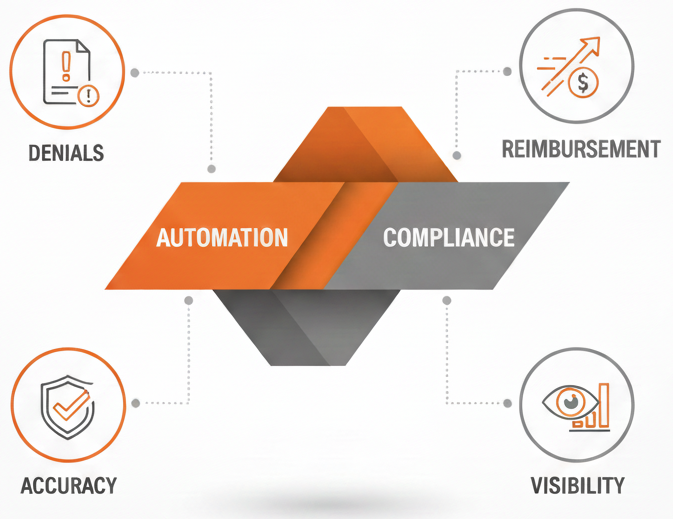
This guide explains why RCM automation is no longer optional—but essential for hospitals, clinics, and mid-sized practices in 2025.
What You’ll Learn in This Gated Guide
Designed for CFOs, revenue cycle leaders, operations heads, and IT teams, this guide focuses on business outcomes not vendor hype.
This in-depth RCM automation guide covers:
Who Should Download This Guide?
If your goal is to optimize healthcare revenue cycle management and improve cash flow, this guide is built for you.
Why ValueDX
ValueDX provides end-to-end RCM automation solutions that help healthcare organizations streamline revenue operations—from patient intake and eligibility to claims processing, denial management, and payment posting.
Our approach combines: