
The Fiduciary Mandate: Financial Resilience Through Compliance-Ready Automation for HIPAA Environments

Download this strategic blueprint to implement HIPAA-ready automation for hospitals accelerating efficiency while securing patient data across every automated RCM workflow.

Download Free Guide


    U.S. Healthcare Operational Pain Points

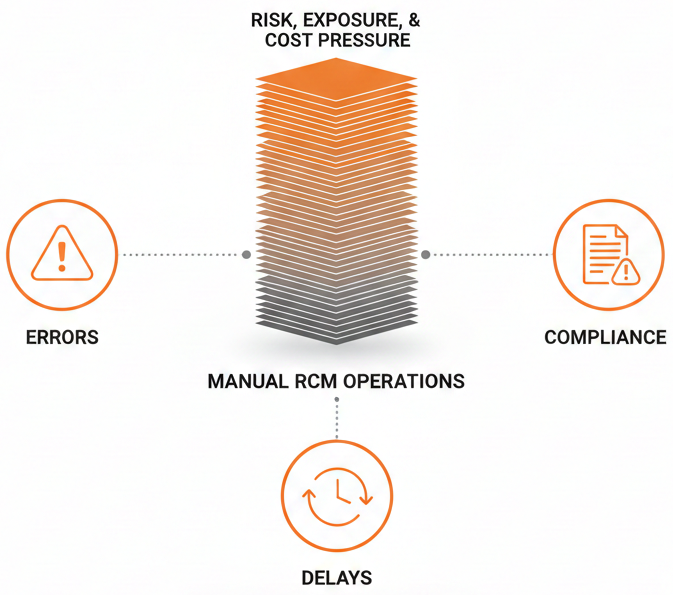
    Administrative complexity continues to rise, forcing revenue teams to manage high-volume processes manually.
    HIPAA Compliance Automation

    This environment creates material vulnerabilities, including:

    • Human error that drives HIPAA violation risk and PHI exposure
    • Inconsistent regulatory enforcement across disconnected systems
    • Slow, manual RCM processes that delay cash flow and inflate administrative cost

    Why This Matters Now

    Security is no longer a cost center it is a financial value driver.
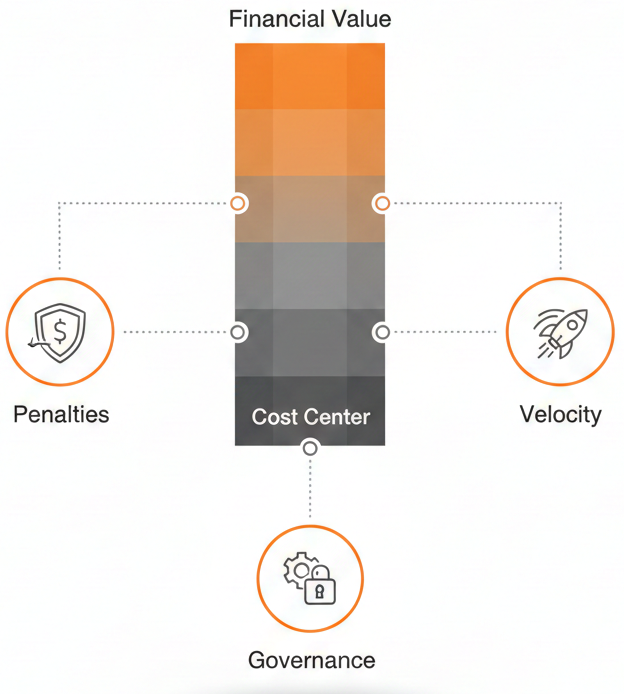
    • With regulatory penalties escalating and the financial risk of HIPAA non-compliance reaching historic highs, healthcare leaders must adopt a modern, automation-first compliance strategy.
    • Manual oversight cannot scale with AI-driven RCM velocity.
    • The only sustainable path to reduce administrative burden and accelerate revenue is compliance-first RCM automation—where governance is embedded, not retrofitted.

    What You’ll Learn Inside the Strategic Blueprint

    Download this executive blueprint to understand how to operationalize secure healthcare automation at scale:

    Who Should Read This

    This strategic brief is designed for executive and operational leaders responsible for financial resilience, compliance, and enterprise risk, including

    Compliance Impact: Before vs. After


    Metric  Before: Manual / Insecure After: ValueDX Secure Automation
    Time to Audit-Ready Reports Weeks of manual log aggregation Instant, automated generation
    Unintentional HIPAA Incidents High risk from human handling Significantly reduced via machine execution
    PHI Access Exceptions Inconsistent and frequent Drastically reduced through least-privilege controls

    FAQs

    Reduced regulatory risk, faster cash flow, and lower administrative cost from eliminating manual compliance tracking.
    Through encryption and tokenization, least-privilege access controls, and continuous, immutable audit trails.
    Legacy system integration, change resistance, and AI governance transparency—each addressed in the blueprint.
    Yes. By replacing repetitive data handling with automated compliance logic, organizations significantly reduce billing errors and increase clean-claim rates.
    This blueprint provides a clear, end-to-end explanation of the Compliance-Ready Automation for HIPAA Environments process across the revenue cycle.

    Protect Your Revenue. Secure Your Data.

    Compliance-Ready Automation for HIPAA Environments