
Separating Operational Reality From AI Hype

Healthcare leaders are investing in AI but results vary widely. Some use cases deliver measurable value, while others introduce risk and complexity.

Download Free Guide


    Why AI Success in Healthcare Is Inconsistent
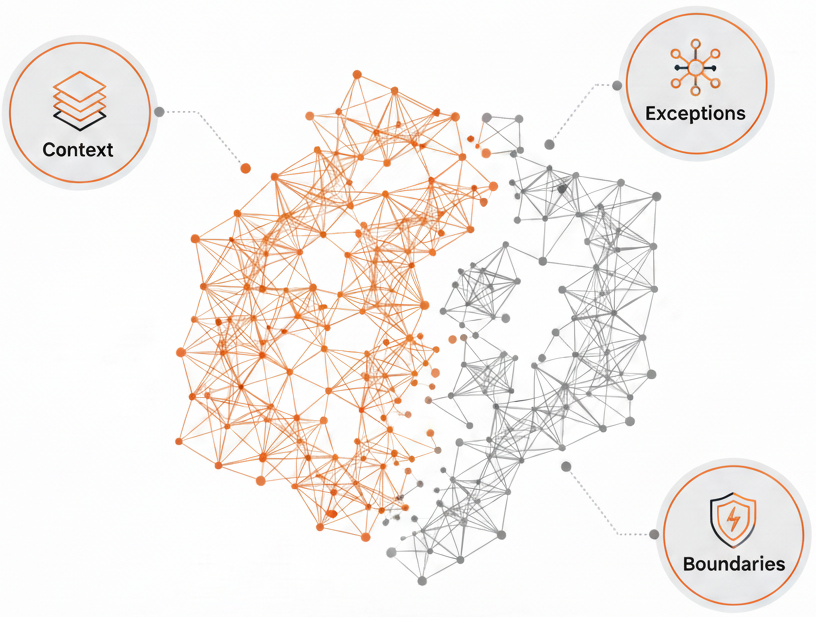
    ai in healthcare operations workflow
    • AI adoption often fails when technology is applied without operational context.
    • Many healthcare workflows are complex, exception-heavy, and dependent on human judgment.
    • Without clear boundaries, AI creates more problems than it solves.

    Where AI Delivers Real Operational Value

    AI works best in high-volume, pattern-driven, repeatable workflows where data consistency exists and decisions can be supported by historical trends.

    Where AI Struggles or Should Not Be Used
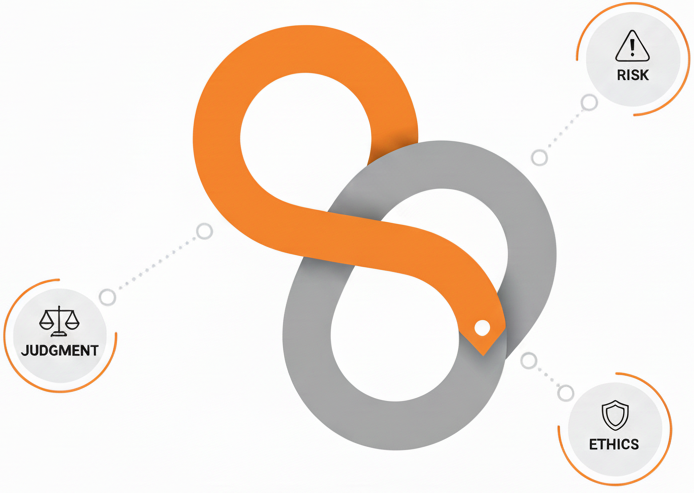
    • AI performs poorly in workflows that require nuanced judgment, negotiation, or ethical decision-making.
    • Low-volume, high-risk processes also remain unsuitable for AI-led execution.
    • Understanding these limits is critical to avoiding operational failure.
    Where AI Struggles or Should Not Be Used

    How Leaders Should Evaluate AI Use Cases

    Successful organizations evaluate AI through:

    What’s Inside the Gated Executive Brief

    This resource provides:

    FAQs

    AI works best in repetitive, high-volume workflows with recognizable patterns and sufficient data quality.
    AI struggles in judgment-heavy, low-volume, or high-risk processes that require human discretion.
    Because AI is often applied without understanding workflow complexity, data limitations, and governance needs.
    By assessing workflow stability, data readiness, risk impact, and accountability before deployment.
    No. AI supports teams by reducing routine workload while humans retain control over critical decisions.

    Make Smarter, Lower-Risk AI Decisions in Healthcare Operations