
Why Revenue Slows After Claim Submission

Submitting a claim is where payer control begins—and provider visibility ends. Expose the hidden adjudication workflows delaying payments and reclaim control of post-submission revenue.

Download Free Guide


    The Hidden Cost of Post-Submission Blind Spots

    Healthcare finance teams are consistently challenged by:
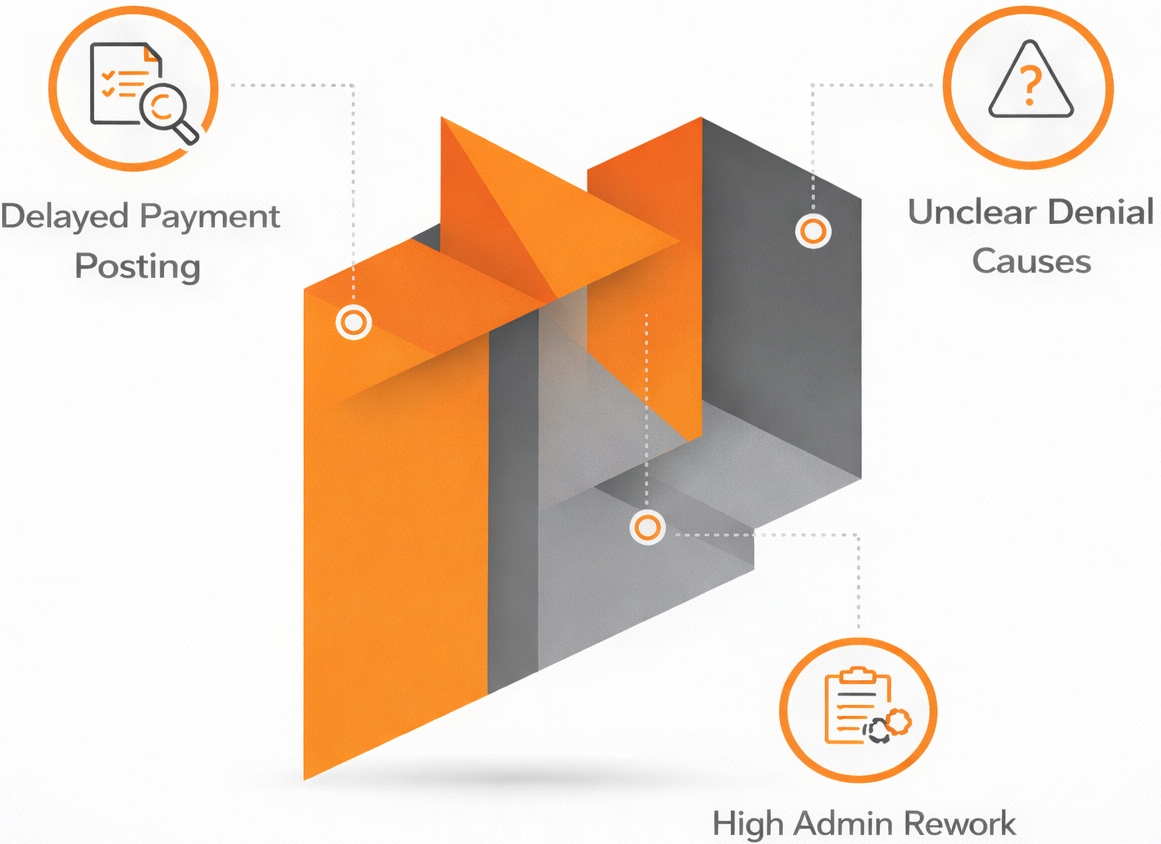
    What Happens Between an EHR and a Payer After a Claim Is Submitted Flow Diagram

    These inefficiencies inflate operating costs and extend days in accounts receivable  without improving outcomes.

    • Delayed Payment Posting due to manual ERA reconciliation
    • Unclear Denial Root Causes that slow appeal resolution
    • High Administrative Rework from fragmented, manual workflows

    Why This Matters Now

    • Margins are tighter. Payer scrutiny is increasing. Value-based contracts demand absolute payment accuracy.
    • Without visibility into the claim adjudication process, revenue leakage becomes systemic.
    • Gaining control over post-submission workflows is no longer optional—it is essential for protecting net patient revenue.
    Why This Matters

    What You’ll Learn in This Brief

    Who Should Read This

    This strategic guide is designed for healthcare leaders responsible for financial performance and operational resilience:

    • CFOs and Finance Leaders
    • Revenue Cycle Executives
    • RCM Directors and Managers
    • Patient Financial Services Leaders

    FAQs

    After submission, claims enter payer-controlled review cycles that providers cannot see in real time. This loss of transparency causes delayed actions, missed follow-ups, and slower cash realization

    Manual payment posting, fragmented denial analysis, and disconnected systems introduce processing lag. These inefficiencies compound and significantly extend accounts receivable timelines.
    When adjudication decisions are not visible, underpayments and incorrect denials go unnoticed. This results in lost recovery opportunities and preventable write-offs.
    Tighter margins and stricter payer audits demand precise and timely reimbursement. Without post-submission control, financial performance becomes unpredictable and difficult to protect.

    Download the Strategic Brief