
Healthcare Revenue Cycle Management (RCM) is undergoing a major transformation.

This gated report explores how and why RCM is evolving, and what healthcare platforms must do to stay financially resilient.

Download Free Guide


    Why Spreadsheet-Based RCM Is No Longer Enough

    Spreadsheets were once a cost-effective solution for managing billing, claims, and AR tracking. Today, they create operational bottlenecks due to:
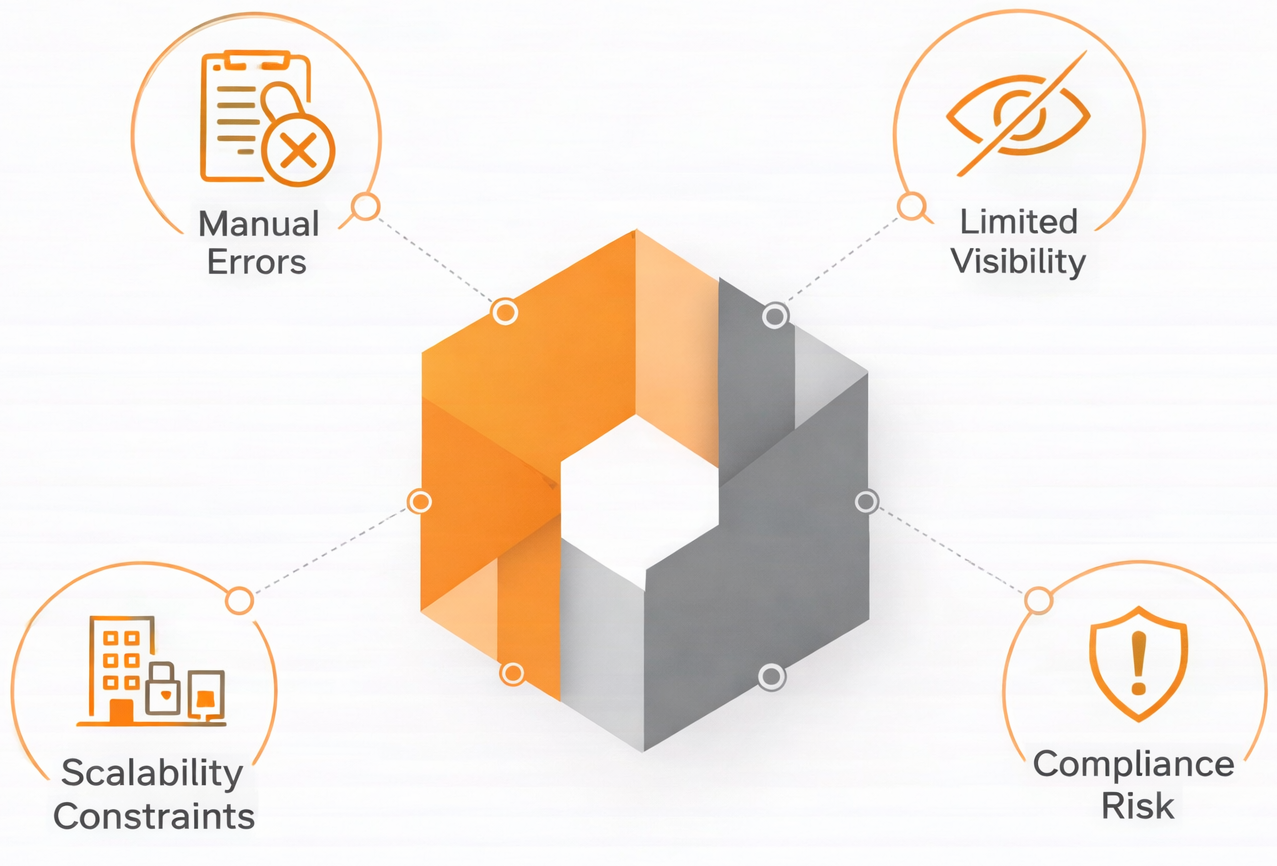
    Why Spreadsheet-Based RCM Is No Longer Enough

    As healthcare complexity grows, spreadsheet-based RCM leads to revenue leakage and delayed cash flow.

    • Manual data entry and high error rates
    • Lack of real-time visibility and reporting
    • Limited scalability across departments and locations
    • Increased compliance and audit risk

    The Shift Toward Automated and Cloud-Based RCM

    Healthcare platforms are moving away from spreadsheets toward RCM automation platforms that offer:

    • Automated eligibility checks and claim validations
    • Intelligent denial prevention and management
    • Real-time dashboards and analytics
    • Centralized, cloud-based data management

    Who Should Download This Gated Content

    This gated report is designed for:

    What You’ll Learn from the Full Report

    By downloading the complete gated content, you will gain:

    ValueDX delivers operational freedom not just tools
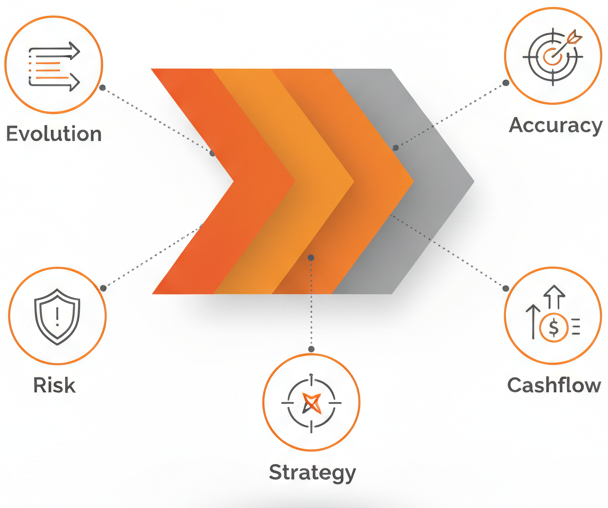
    • A clear understanding of RCM’s evolution from spreadsheets to automation
    • Insight into the operational and financial risks of manual RCM
    • Clarity on how AI-powered RCM automation improves accuracy and cash flow
    • Strategic guidance for modernizing healthcare revenue cycles
    Revenue Cycle Management Automation Evolution

    FAQs

    Revenue Cycle Management is the end-to-end process of managing patient revenue, from scheduling and eligibility verification to billing, claims processing, and payment collection.
    Spreadsheets are familiar and flexible, but they lack scalability, automation, and real-time controls required for modern healthcare revenue cycles.
    RCM automation reduces manual errors, lowers claim denials, accelerates reimbursements, improves compliance, and provides real-time revenue insights.
    Yes. The report applies to hospitals, health systems, physician groups, clinics, MSOs, and healthcare billing organizations of all sizes.
    Yes. It explains how AI-powered RCM automation supports predictive analytics, intelligent denial management, and operational efficiency.

    From Spreadsheets to Automation: How Revenue Cycle Management Is Evolving in Healthcare

    ✔ Executive-level insights
    ✔ Industry-focused analysis
    ✔ Practical guidance for RCM leaders